

The Threads
Patterns traced from their ancient root into lived experience — read slowly, in any order.
What is a pattern for,
once it takes form?
Embodiment is not a downgrade from abstraction. It is purpose becoming inhabitable — the place where meaning becomes participation.
Embodiment · beccasutter.org →
The Instrument of Perception
What emerges when we stop treating consciousness as separate from the body—and begin treating attention itself as a trainable instrument of perception?
This question sits quietly beneath the Yoga Sutras of Patanjali, particularly in the section concerning siddhis: extraordinary capacities said to arise through advanced meditative practice.
The Same Field, Different Names
The Same Field, Different Names
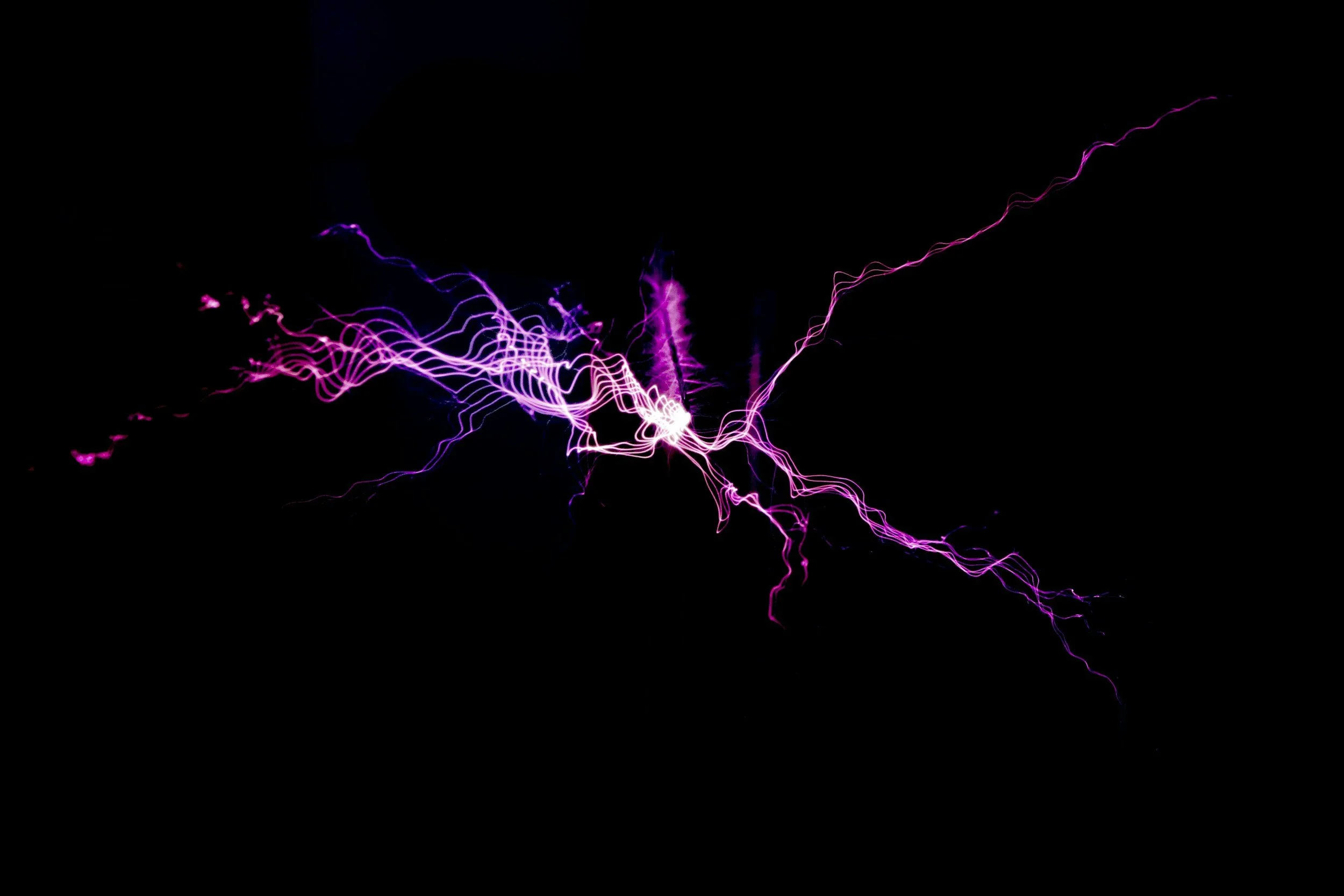
Aristotle called it Ether. The Vedic traditions called it Akasha. Japanese healing lineages call it Ki. Modern physics calls it plasma — and tells us it makes up 99% of the visible universe.
Different words. Different centuries. Different hemispheres. The same understanding.
This essay traces the thread that runs through ancient Greek cosmology, Vedic philosophy, Chinese medicine, Reiki, and contemporary physics — and asks what it means for how we inhabit our bodies, tend our energy, and return from the particular kind of exhaustion that our era specialises in producing.
It is not a history lesson. It is an inquiry into something practical: that beneath the physical world is a field, that through that field moves an intelligent current, and that the human body is not merely subject to that current — but can learn to consciously work with it.

The First Language
At the edge of the world where water first learned to move, a woman taught a child how to listen.
Not with words. With the body.
The stream showed them something most people forget: you cannot hold a current. You can only decide whether you become a stone that blocks it—or a presence the water reshapes around.
A quiet myth about attention, control, and the first language we all once knew.