

The Threads
Patterns traced from their ancient root into lived experience — read slowly, in any order.
What is a pattern for,
once it takes form?
Embodiment is not a downgrade from abstraction. It is purpose becoming inhabitable — the place where meaning becomes participation.
Embodiment · beccasutter.org →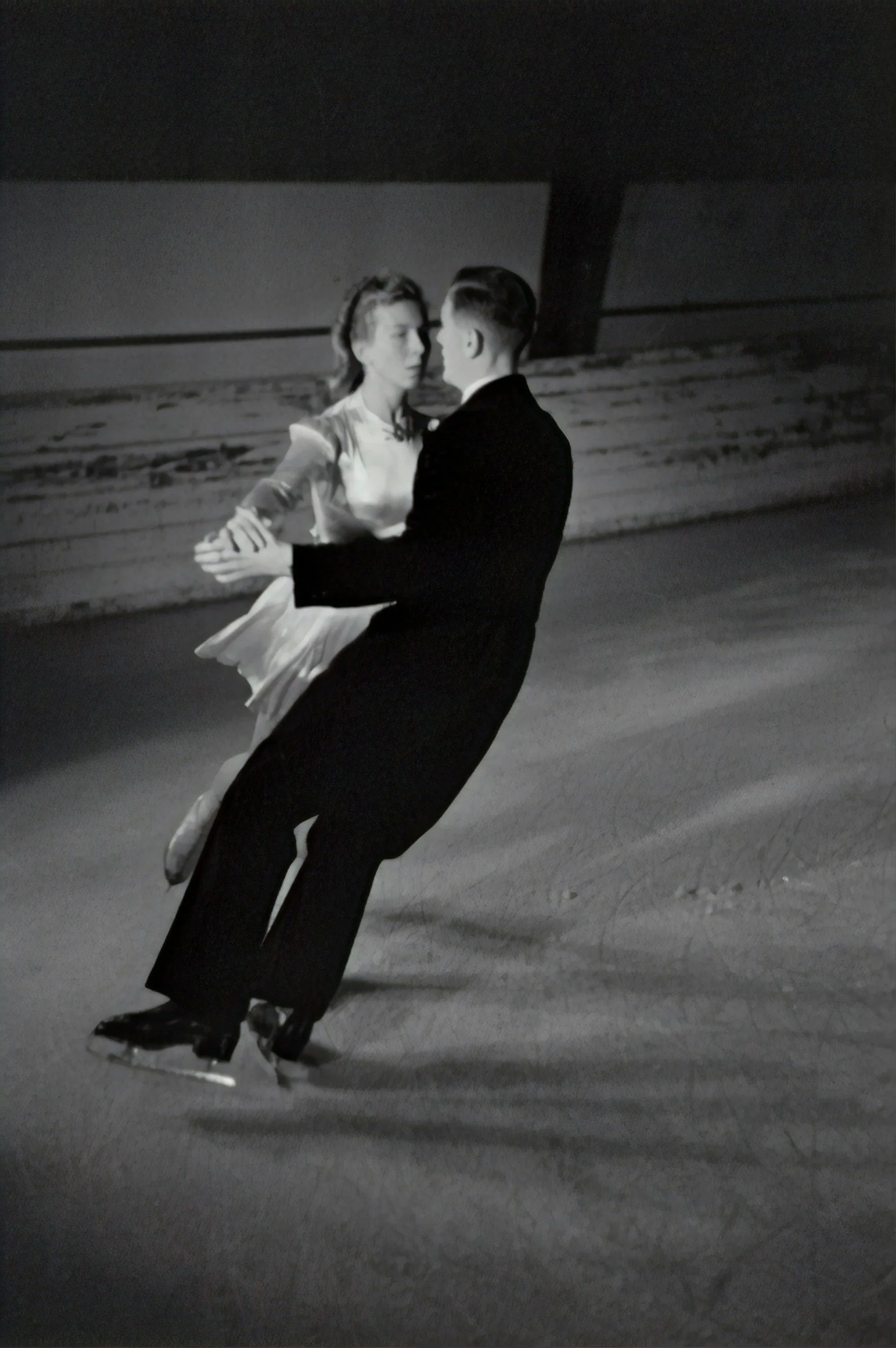
The Traveler Who Forgot to Dance
The Traveler Who Forgot to Dance is a myth about a man who discovers he can move through memory, possibility, and perspective. The higher he climbs, the more clearly he can see patterns, predict outcomes, and control what happens next. Eventually he creates a world without uncertainty, rejection, or loss—only to discover that a life without friction is also a life without true encounter.
His journey becomes a meditation on knowledge, control, manifestation, technology, time, and the danger of mistaking participation for authorship. What finally calls him back is not ignorance, but relationship: the recognition that another person must remain truly other for love, choice, and meaning to exist.
He does not forget how to travel.
He remembers how to dance.
The Return of the Magus
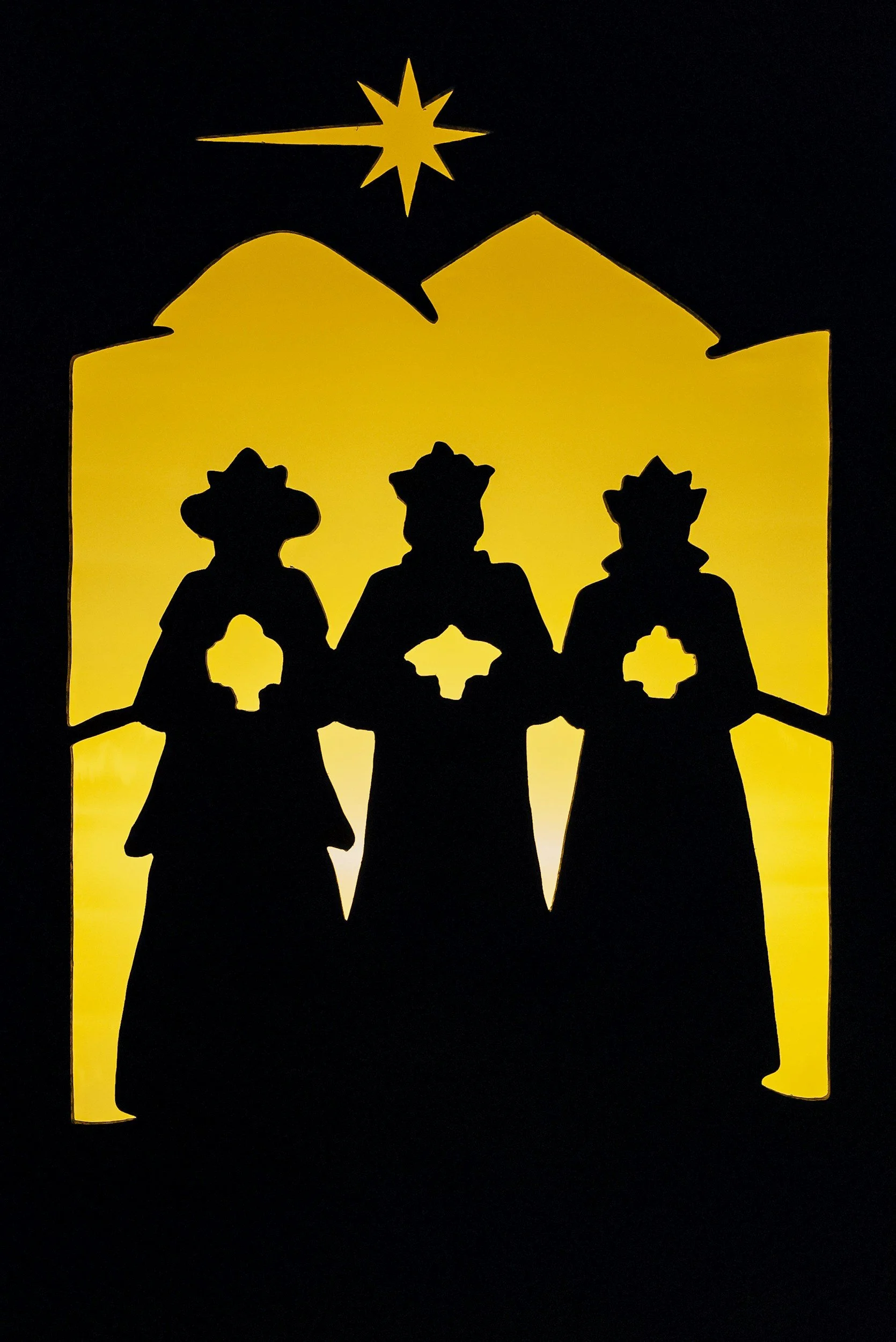
Does our age—overwhelmed with information and starving for wisdom—needs the archetype again?
Is the human impulse to weave reality back together after we've divided it into disciplines?

Jesus Embodied
Love Is Known by What It Frees
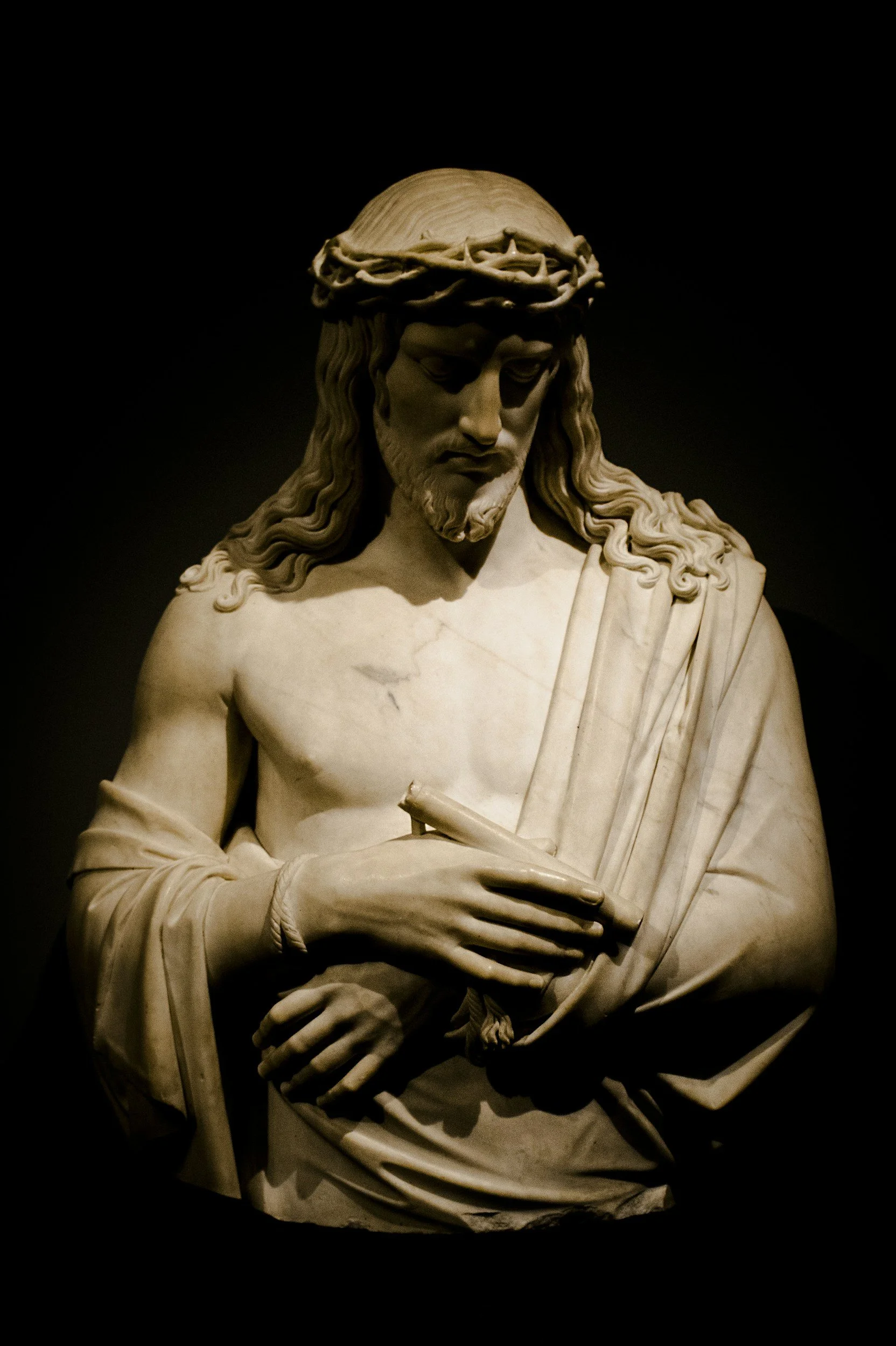
Jesus does not treat embodiment as a distraction from God. He treats embodiment as the place where God is encountered.
This is why the healing stories matter.
Not because they prove supernatural power in the shallow sense. Not because the point is spectacle. The deeper scandal is that Jesus keeps restoring people to life through the body. He does not save them by making them less human. He returns them to participation.
Rise. Walk. See. Eat. Touch. Be whole.
Come back into the community. Come back into your life.
And he does not make them his property afterward.
Possessive love says: I helped you, so now you owe me.
Jesus does not heal that way.
He frees.
He releases.
He restores agency.
Love is known by what it frees.
This may be one of the clearest ways to recognize the difference between Christic love and control wearing a holy mask.
Control contracts.
Love restores.
Control requires self-betrayal.
Love returns the self to God and to itself.
Control says: shrink so I can feel safe.
Love says: rise and become whole.
This is not sentimental. It is demanding.
Freedom is not comfort. Healing is not easy. Truth is not always gentle. Jesus is not harmless. He threatens every system that depends on people staying small, ashamed, obedient, frightened, divided from their own bodies, and dependent on external authority for permission to live.
That is why incarnation is politically dangerous.
A person who remembers God in the body becomes harder to control.
A person who trusts the body as a site of truth becomes harder to manipulate with disembodied ideals.
A person who knows love by what it frees becomes harder to trap in relationships, religions, families, and institutions that call contraction devotion.
This is why the body had to be distrusted.
Not because the body is sinful.
Because the body knows.

I Am Salt
The Silent Chorus
Women Who Saw What the World Refused to Hear
I Am Salt- In Genesis 19, Lot’s wife appears for only a moment: unnamed, fleeing destruction, commanded not to look back. She turns anyway, and the story tells us she becomes a pillar of salt.
There are women inside the old stories who were never meant to be the center.
They appear at the edge of the frame: looking back, warning too soon, opening the forbidden thing, touching the wound, standing in the doorway, holding the body, naming what everyone else needs unnamed.
The official story usually knows what to do with them.

An Introduction to Gnosticism
Gnosticism did not simply disappear.
Its themes and images surfaced in medieval Catharism in southern France, in Kabbalah's Lurianic strand (the doctrine of the shevirat hakelim, the shattering of the vessels), in Blake's mythological poetry, in Jung's depth psychology, and in Philip K. Dick's extraordinary late writings. The Nag Hammadi discovery transformed academic study and reignited popular and spiritual interest. Today, several small living communities — including the Ecclesia Gnostica and various Valentinian study circles — continue to practice and transmit these traditions.
The thread running through all of it is the same: the world is not quite what it seems, you are not quite who you think you are, and the light you are looking for may already be looking back at you.

The First Language
At the edge of the world where water first learned to move, a woman taught a child how to listen.
Not with words. With the body.
The stream showed them something most people forget: you cannot hold a current. You can only decide whether you become a stone that blocks it—or a presence the water reshapes around.
A quiet myth about attention, control, and the first language we all once knew.