The Threads
Patterns traced from their ancient root into lived experience — read slowly, in any order.
What is a pattern for,
once it takes form?
Embodiment is not a downgrade from abstraction. It is purpose becoming inhabitable — the place where meaning becomes participation.
Embodiment · beccasutter.org →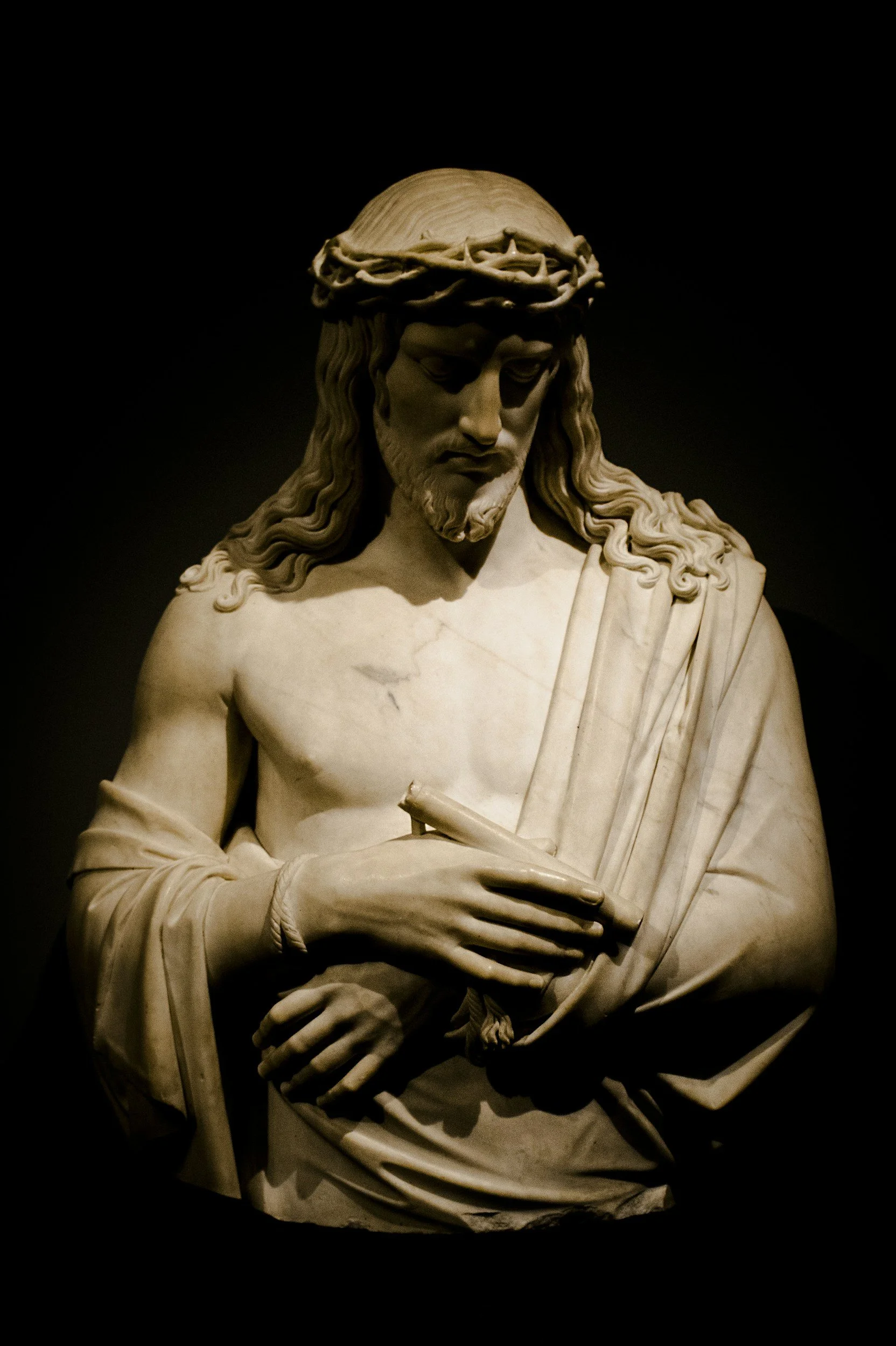
Jesus Embodied
Love Is Known by What It Frees
Jesus does not treat embodiment as a distraction from God. He treats embodiment as the place where God is encountered.
This is why the healing stories matter.
Not because they prove supernatural power in the shallow sense. Not because the point is spectacle. The deeper scandal is that Jesus keeps restoring people to life through the body. He does not save them by making them less human. He returns them to participation.
Rise. Walk. See. Eat. Touch. Be whole.
Come back into the community. Come back into your life.
And he does not make them his property afterward.
Possessive love says: I helped you, so now you owe me.
Jesus does not heal that way.
He frees.
He releases.
He restores agency.
Love is known by what it frees.
This may be one of the clearest ways to recognize the difference between Christic love and control wearing a holy mask.
Control contracts.
Love restores.
Control requires self-betrayal.
Love returns the self to God and to itself.
Control says: shrink so I can feel safe.
Love says: rise and become whole.
This is not sentimental. It is demanding.
Freedom is not comfort. Healing is not easy. Truth is not always gentle. Jesus is not harmless. He threatens every system that depends on people staying small, ashamed, obedient, frightened, divided from their own bodies, and dependent on external authority for permission to live.
That is why incarnation is politically dangerous.
A person who remembers God in the body becomes harder to control.
A person who trusts the body as a site of truth becomes harder to manipulate with disembodied ideals.
A person who knows love by what it frees becomes harder to trap in relationships, religions, families, and institutions that call contraction devotion.
This is why the body had to be distrusted.
Not because the body is sinful.
Because the body knows.