

The Threads
Patterns traced from their ancient root into lived experience — read slowly, in any order.
What is a pattern for,
once it takes form?
Embodiment is not a downgrade from abstraction. It is purpose becoming inhabitable — the place where meaning becomes participation.
Embodiment · beccasutter.org →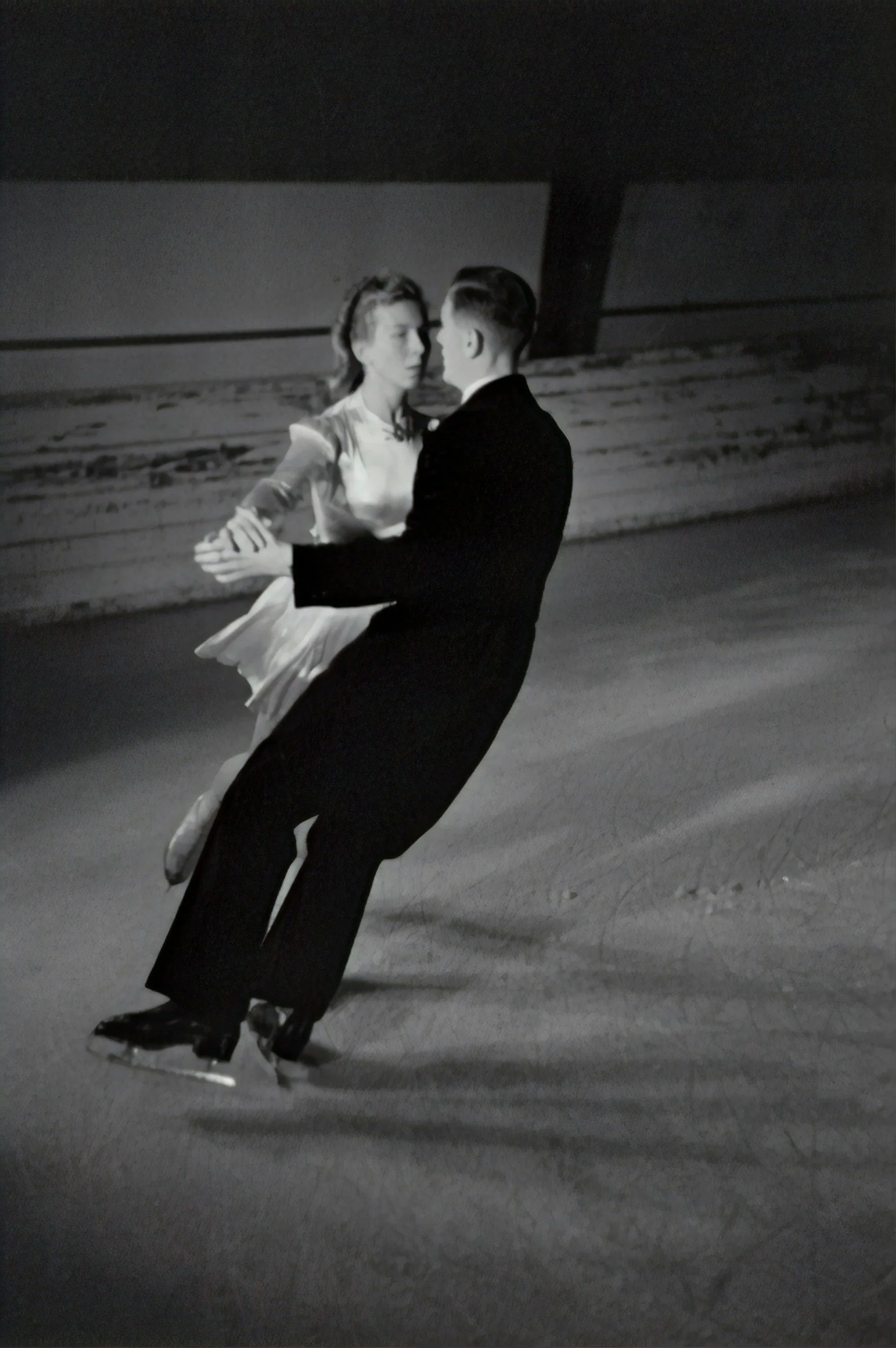
The Traveler Who Forgot to Dance
The Traveler Who Forgot to Dance is a myth about a man who discovers he can move through memory, possibility, and perspective. The higher he climbs, the more clearly he can see patterns, predict outcomes, and control what happens next. Eventually he creates a world without uncertainty, rejection, or loss—only to discover that a life without friction is also a life without true encounter.
His journey becomes a meditation on knowledge, control, manifestation, technology, time, and the danger of mistaking participation for authorship. What finally calls him back is not ignorance, but relationship: the recognition that another person must remain truly other for love, choice, and meaning to exist.
He does not forget how to travel.
He remembers how to dance.


Jupiter Speaks: What is Your More Orbiting?
Jupiter Speaks: What Is Your More Orbiting?
A reflection on Jupiter as the force of expansion, faith, possibility, and restored scale — and on the shadow that appears when growth loses its proper center. This essay asks whether our desire for more is orbiting love, or whether meaning, impact, signs, certainty, or being understood have quietly become false suns.

An Introduction to Gnosticism
Gnosticism did not simply disappear.
Its themes and images surfaced in medieval Catharism in southern France, in Kabbalah's Lurianic strand (the doctrine of the shevirat hakelim, the shattering of the vessels), in Blake's mythological poetry, in Jung's depth psychology, and in Philip K. Dick's extraordinary late writings. The Nag Hammadi discovery transformed academic study and reignited popular and spiritual interest. Today, several small living communities — including the Ecclesia Gnostica and various Valentinian study circles — continue to practice and transmit these traditions.
The thread running through all of it is the same: the world is not quite what it seems, you are not quite who you think you are, and the light you are looking for may already be looking back at you.

Learning to Feel the Sky
There's a problem at the heart of how most people encounter astrology, and it's not the one skeptics usually name.
The skeptic's objection — that the planets don't exert a causal influence on human personality — misses what's actually interesting about the tradition. Astrology, practiced well, isn't a causal claim. It's a symbolic one. The question isn't whether Mars makes you aggressive. The question is whether the quality we call Martian — directed force, desire, the energy that cuts toward something — is a real felt category of human experience, and whether learning to track that quality in time gives you useful information. I think the answer to both is yes. But that's almost not the point.
The real problem is a cognitive one, and it happens long before anyone starts arguing about planetary influence. It's this: most people use astrology to confirm what they already know.

The Same Territory
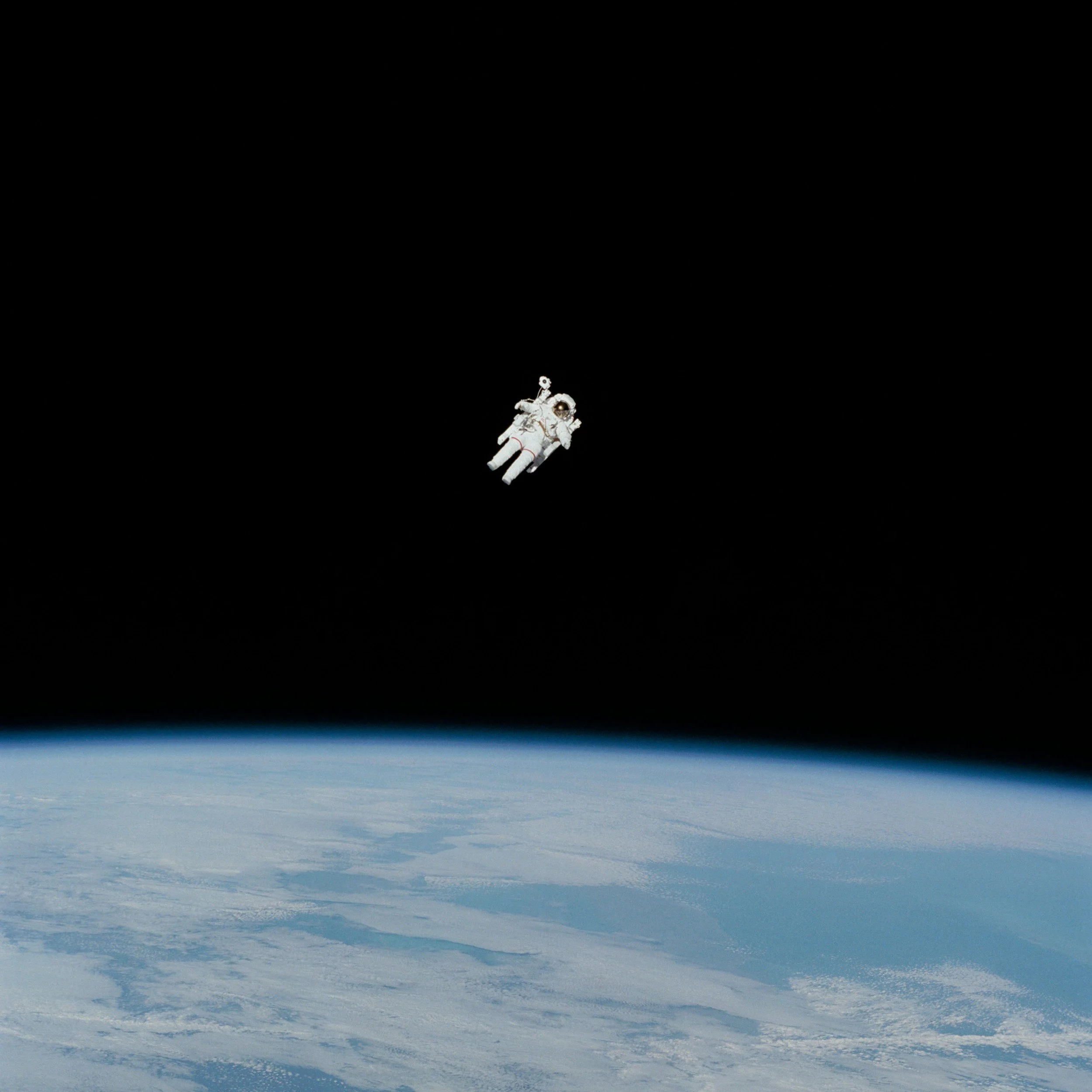
Most of us have been asked to choose. The rational or the mystical. The scientific or the sacred. The mechanism or the meaning. This essay refuses that choice — and makes the case that the mystics and the scientists have always been mapping the same territory. One with story. One with data. Neither with the whole map.