Symbolic Literacy
Learning to read what you already feel…
Symbolic literacy
The practice of reading the forms that shape us — so we can tell the difference between meaning that returns us to life and meaning that keeps us asleep.
A symbol is not merely something that "stands for" something else. That definition is too small.
A symbol is a form that carries meaning across layers of reality. It may appear as a word, image, gesture, myth, ritual, dream, body, object, number, wound, color, movement, or public event — something visible, audible, sensory, or imaginable that gathers invisible meaning into a shape we can perceive.
A symbol can enter the body before it enters conscious thought. A flag may tighten the chest. A cross may open grief, devotion, resistance, shame, or hope. A song may return us to a room we have not stood in for twenty years.
Symbols are not passive. They act. They gather memory, culture, body, psyche, and field into one readable form.
A sign usually points to something fixed. A stop sign tells us to stop. Its meaning is practical and narrow.
A symbol opens a field. The cross does not mean only one thing. The body does not mean only one thing. A boat on water may suggest passage, transition, grief, the unconscious, the soul's crossing, or the fragile vessel that carries life through uncertainty.
This is what makes symbols powerful. It is also what makes them dangerous — because they do not belong only to the individual. They are personal and collective at the same time.
For one person, "Jesus" may mean rescue. For another, shame. For another, empire. For another, embodied love. The symbol is not private. But the encounter with it is personal.
This is where symbolic literacy becomes more than interpretation. It becomes discernment.
We do not ask only: What does this symbol mean? We ask: What is this symbol doing?
Does it open breath or restrict it? Does it bring us into contact with reality — or does it replace reality with a script? Does it make us more honest, embodied, responsible, and free to act? Or does it demand allegiance, feed on fear, punish questioning, and keep us in trance?
A living symbol can survive questioning. It does not need us to be unconscious in order to remain powerful. A parasitic symbol feeds on certainty — it recruits fear, shame, righteousness, belonging, or obedience, and narrows perception while convincing us we are seeing clearly.
This is why symbolic literacy must also be ethical literacy. To read a body, a myth, a dream, a nation, or a sacred phrase is not to dominate it with interpretation. It is to enter relationship with it.
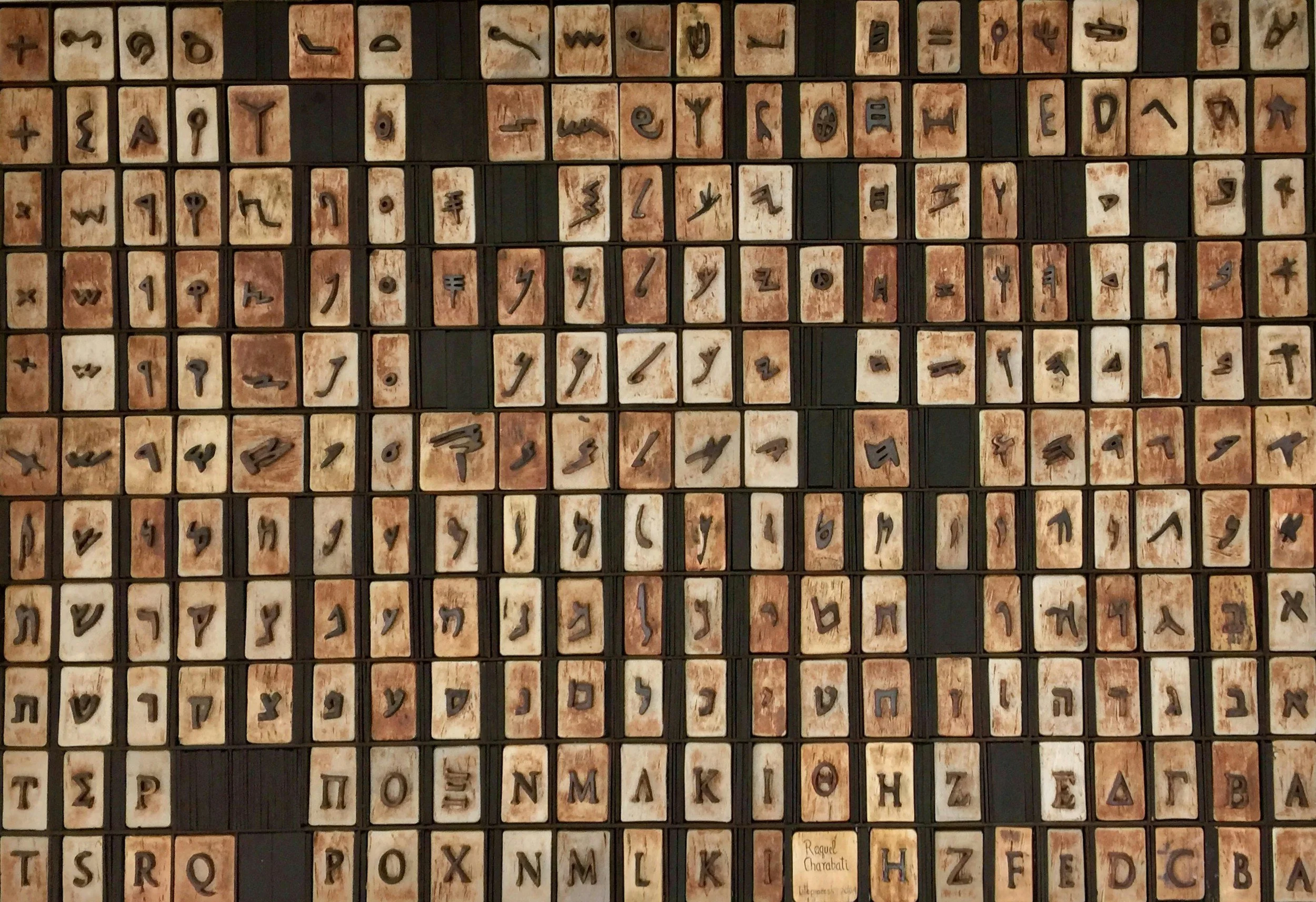
You are already reading symbols.
Every time you walk into a room and feel something shift before anyone speaks. Every time your body tightens without explanation. Every time you know something is off — but can't yet say why.
Most people override this layer quickly. They move from sensation to interpretation without noticing the gap between them. That gap — however brief — is where perception lives. This work slows that moment down.
Symbolic literacy is not about memorizing symbols. It is about increasing resolution in how you perceive — tension versus ease, expansion versus contraction, clarity versus diffusion, signal versus noise.
Without it, you rely on explanations after the fact, inherited meanings, external systems to tell you what something means. With it, you begin to notice patterns before they repeat. You feel shifts in a situation as they happen.
You stop asking: What does this mean? And start asking: What is happening right now?
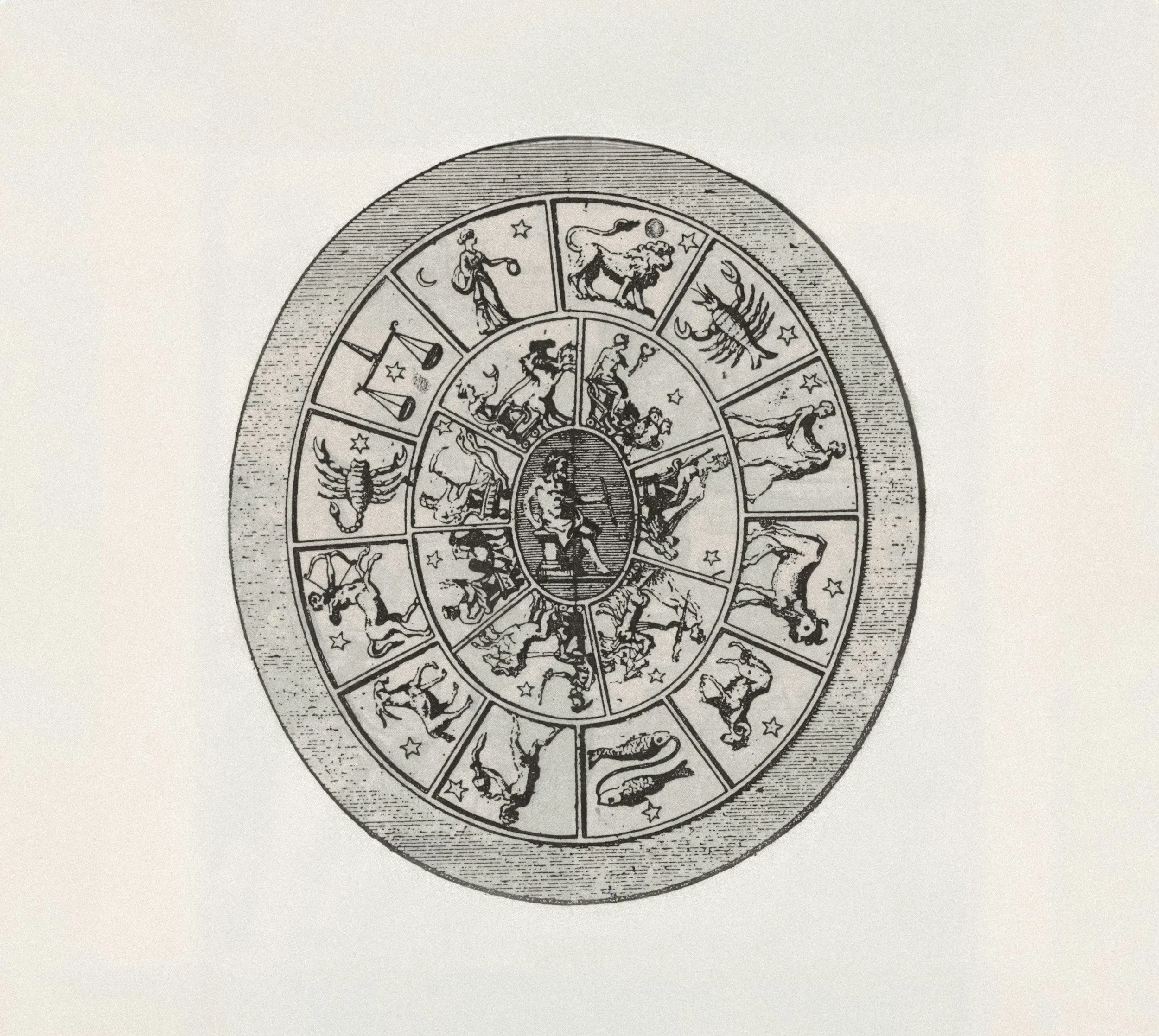
Symbol systems — astrology, myth, chakras, tarot — are not the source of this knowledge. They are maps of something you can already feel. Used correctly, they don't tell you what to think. They sharpen what you can perceive.
From here you can move into specific symbolic languages as tools for perception. Each offers a different entry point. None are required. All are usable.
Stay open long enough to be surprised. If a symbol only confirms what you already believe, it isn't functioning as a tool.
That's the work.
You are already reading symbols.
Every time you walk into a room and feel something shift before anyone speaks. Every time your body tightens without explanation. Every time you know something is off — but can't yet say why.
That is symbolic literacy in its raw form.